

The thrill of choice: why we gamble
The decision to engage in gambling often stems from a complex interplay of psychological factors. Individuals are drawn to the thrill of uncertain outcomes, which stimulates the brain’s reward system. This pleasure-seeking behavior can be attributed to dopamine release, creating a sense of excitement that compels players to return for more. It’s common for gamers to explore various options, including real money slots online, as the combination of chance and risk captivates the mind, making the act of choosing a game as exhilarating as the potential winnings.
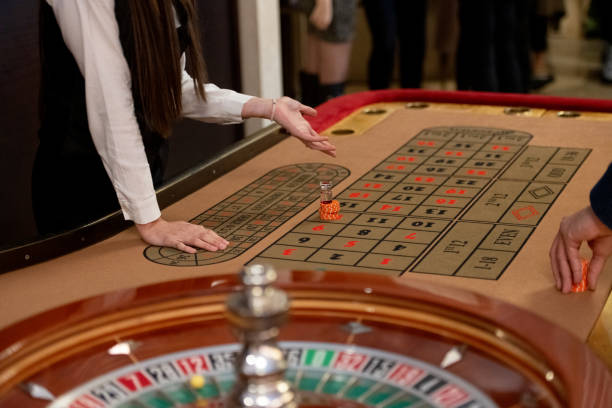
Additionally, the social aspect of gambling impacts choice. Many players seek communal experiences in casinos, where the atmosphere is charged with energy and excitement. This environment encourages gamblers to opt for games that not only offer individual fulfillment but also allow for social interaction. Choices are influenced by the presence of others, reinforcing the idea that gambling can be not only a personal venture but also a shared experience.
Cognitive biases that influence game selection
Cognitive biases play a significant role in how individuals choose their games. Various psychological phenomena, such as the availability heuristic, lead players to overestimate the likelihood of winning based on memorable experiences. For instance, a player who recently witnessed a big win at a slot machine may be inclined to choose that game, believing they have a higher chance of replicating that success. This bias can skew decision-making processes, highlighting the power of perception in influencing behavior.
Moreover, the illusion of control is another cognitive bias that affects gambling choices. Players often feel they can influence outcomes through their decisions or strategies, even in games that are purely based on chance. This false sense of agency can lead them to favor certain games over others, contributing to a consistent pattern in their gambling behavior. Recognizing these biases can help players understand their choices and possibly mitigate negative gambling habits.
Emotional drivers in game selection
Emotions significantly influence gambling behavior, and the choice of games is no exception. Many individuals turn to gambling as a means of escape from stress or negative feelings. The adrenaline rush associated with games like poker or blackjack can temporarily relieve emotional distress, leading individuals to gravitate towards these high-stakes environments. This emotional connection often solidifies their long-term preferences and choices.
Additionally, the concept of loss aversion cannot be overlooked. Players may choose games that provide the potential for significant payoffs, fueling the desire to recover losses. This psychological phenomenon can create a cycle wherein gamblers feel compelled to continue playing in hopes of regaining what they lost, further entrenching their game selection patterns. Understanding these emotional drivers is essential for a comprehensive view of gambling behaviors.
The role of visual and auditory stimuli
Casinos are designed to engage the senses, and this sensory stimulation plays a crucial role in influencing game choices. Vibrant lights, engaging sounds, and visually appealing game designs create an immersive experience that attracts players. The sensory overload can make it difficult for individuals to concentrate on rational decision-making, thus swaying them toward games that are more stimulating and engaging.
Furthermore, the design elements of specific games can evoke certain emotions that drive players toward them. For instance, games with bright colors and upbeat music might be perceived as more fun, encouraging players to choose them over more subdued options. Marketers leverage these psychological principles to create environments that not only attract players but also promote their continued engagement, reinforcing the significant impact of sensory elements on gambling behavior.

Ensuring a safe gaming experience online
In light of the intricate psychological factors surrounding casino game choices, it is crucial for players to engage in responsible gambling practices. Understanding one’s motivations and emotional triggers is essential in making informed decisions while participating in gambling activities. Safety and security in online gaming platforms are paramount, as they provide a protective environment for users, promoting a healthy approach to gaming.
Furthermore, reputable platforms offer resources and support for individuals who may be struggling with their gambling habits. By prioritizing user safety and providing educational materials about the psychological elements of gambling, these platforms contribute to a more informed gaming community. Empowered players can make better choices, enhancing their overall gaming experience while minimizing potential risks.
